+86-13819126663
박물관, 기록 보관소 및 도서관 제습기 video

박물관, 기록 보관소 및 도서관 제습기

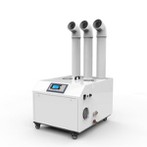
240L 박물관 제습기

설명

박물관, 기록 보관소를위한 제습기


주요 특징:

1. 대 면적 적용 : 대 면적 제습 수요에 적합한 대형 제습 용량, 대형 풍력 사이클


2, 매우 넓은 습도 범위 : 20 % -90 % 초 광대역 습도 범위, 다른 제습 사이트의 요구를 충족 할 수 유연하게 극단적 인 환경에 응답 할 수 있습니다


3, 지속적인 배수를 지원하십시오 : 외부 배수관 관, 하수도 관에 직접 접근, 편리한 배수 장치


4, 지능형 제습 : 스마트 칩을 포함, 자동으로 현재의 환경 습도에 따라 지능형 제습, 볼 필요가 없습니다 지능형 제습


5, 지능형 오류 판단 : 자동으로 결함 위치를 확인하고 유지 보수를 위해 LCD 화면에 피드백


6, 양방향 타이밍 : 작동 요구 사항에 따라 부팅 시간과 종료 시간을 설정할 수 있습니다


제품 사진 :

Dehumidifiers for Museums, Archives and Libraries

Dehumidifiers for Museums, Archives and Libraries

세부 매개 변수 :

모델 DH-5168C
습도 제거 168L / D 또는 7L / H
전원 380V / 50HZ
정격 전력 입력 3.2KW
전력 전류 6.2A
작업 온도 5-38 ℃
순환 공기 1600M3 / h
냉각제 R22 / R407C
순중량 108Kg
총 중량 118Kg
공간 적용하기 150 ~ 200m2
제품 크기 405x605x1620mm
포장 규격 485x655x1680mm
적재 수량 33pcs / 20ft
생산 기간 10 일
보증 일년

박물관, 기록관 및 도서관 제습기 신청

습도 (절대 습도 및 상대 습도)의 개념은 대개 박물관 환경 연구의 연구에 포함됩니다. 습도를 이해하려면 상대 습도와 절대 습도 간의 관계를 이해해야합니다. 우리 주위의 공기에는 일정량의 수증기가 포함되어 있습니다. 이론적으로 수증기가없는 공기를 건조한 공기라고합니다. 절대 습도는 습기있는 공기의 총 부피에 대한 공기 중의 수증기 질량의 비율입니다. 이는 공기 중 수증기의 양을 측정 한 것입니다.


특정 온도 조건에서 대기 중 수분 함량이 공기 중 수분 함량과 포화 점에 도달하는 수분 함량의 비율은 우리가 일반적으로 상대 습도라고 부르는 것입니다. 공기 중 수분이 최고 수준에 도달하면이를 포화라고합니다. 이 경우 상대 습도는 100 %입니다.


공기 중에 저장할 수있는 물의 양은 온도의 영향을받습니다. 온도가 높을수록 물이 많아집니다. 따라서 절대 습도 (수분 함량)는 변하지 않습니다. 온도가 높을수록 상대 습도는 낮아집니다. 공기 중 수증기의 무게가 일정하고 온도가 변하면 상대 습도가 크게 달라질 수 있습니다.


예를 들어, 반 개방 환경에있는 박물관의 경우, 금속 인공물을 포함한 컬렉션은 전시 중에 더 높은 온도와 상대 습도에 노출 될 수 있지만, 어떤 이유로 인해 인공물이 저온 환경에서 온도가 상승하면 추운 조건에서 금속 아티팩트 주변의 수증기가 응축되어 "응축"이 발생합니다. 금속 아티팩트 표면의 수증기 응축 현상은 금속 아티팩트의 부식의 중요한 원인입니다.


또한 컬렉션이 놓이는 환경의 습도가 너무 커서 종이와 같은 내한성이 부족한 컬렉션, 그림의 색상이 어두워지고 곰팡이가 생기기 쉽습니다. 습도가 너무 낮 으면 나무와 옻이 부서집니다. . 그러므로 박물관에서 대기의 수분 함량과 온도를 제어하는 것은 매우 중요합니다.


현재 국내외의 많은 박물관과 미술관에서는 대기 습도 조절기, 습기 흡수기 등을 사용하여 전시실과 창고의 습도를 조절하고 특정 결과를 얻었습니다.

The concept of humidity (absolute humidity and relative humidity) is usually involved in the study of museum environmental studies. In order to understand the humidity, it is necessary to understand the relationship between relative humidity and absolute humidity. The air around us contains a certain amount of water vapor, which is called wet air; the air that is theoretically free of water vapor is called dry air. Absolute humidity is the ratio of the mass of water vapor in the air to the total volume of humid air. It is a measure of the amount of water vapor in the air.  Under certain conditions of temperature, the ratio of the water content in the air to the water content at which the water vapor in the air reaches the saturation point is what we usually call relative humidity. When the moisture in the air reaches the highest level, it is called saturation. The relative humidity in this case is 100%.  The amount of water that can be stored in the air is affected by the temperature. The higher the temperature, the more the water is. Therefore, the absolute humidity (water content) does not change. The higher the temperature, the lower the relative humidity. If the weight of water vapor in the air is constant and the temperature changes, the relative humidity may vary greatly.  For example, for museums in a semi-open environment, collections including metal artifacts may be exposed to a higher temperature and relative humidity during the exhibition, but for some reason the artifacts are moved to In a low temperature environment, due to the change of temperature, the water vapor around the metal artifacts will condense under cold conditions, causing


The concept of humidity (absolute humidity and relative humidity) is usually involved in the study of museum environmental studies. In order to understand the humidity, it is necessary to understand the relationship between relative humidity and absolute humidity. The air around us contains a certain amount of water vapor, which is called wet air; the air that is theoretically free of water vapor is called dry air. Absolute humidity is the ratio of the mass of water vapor in the air to the total volume of humid air. It is a measure of the amount of water vapor in the air.  Under certain conditions of temperature, the ratio of the water content in the air to the water content at which the water vapor in the air reaches the saturation point is what we usually call relative humidity. When the moisture in the air reaches the highest level, it is called saturation. The relative humidity in this case is 100%.  The amount of water that can be stored in the air is affected by the temperature. The higher the temperature, the more the water is. Therefore, the absolute humidity (water content) does not change. The higher the temperature, the lower the relative humidity. If the weight of water vapor in the air is constant and the temperature changes, the relative humidity may vary greatly.  For example, for museums in a semi-open environment, collections including metal artifacts may be exposed to a higher temperature and relative humidity during the exhibition, but for some reason the artifacts are moved to In a low temperature environment, due to the change of temperature, the water vapor around the metal artifacts will condense under cold conditions, causing

인기 탭: 박물관, 아카이브 및 도서관 제습기 중국 제조 업체, 공급 업체, 공장, 도매

문의 보내기

(0/10)

clearall